
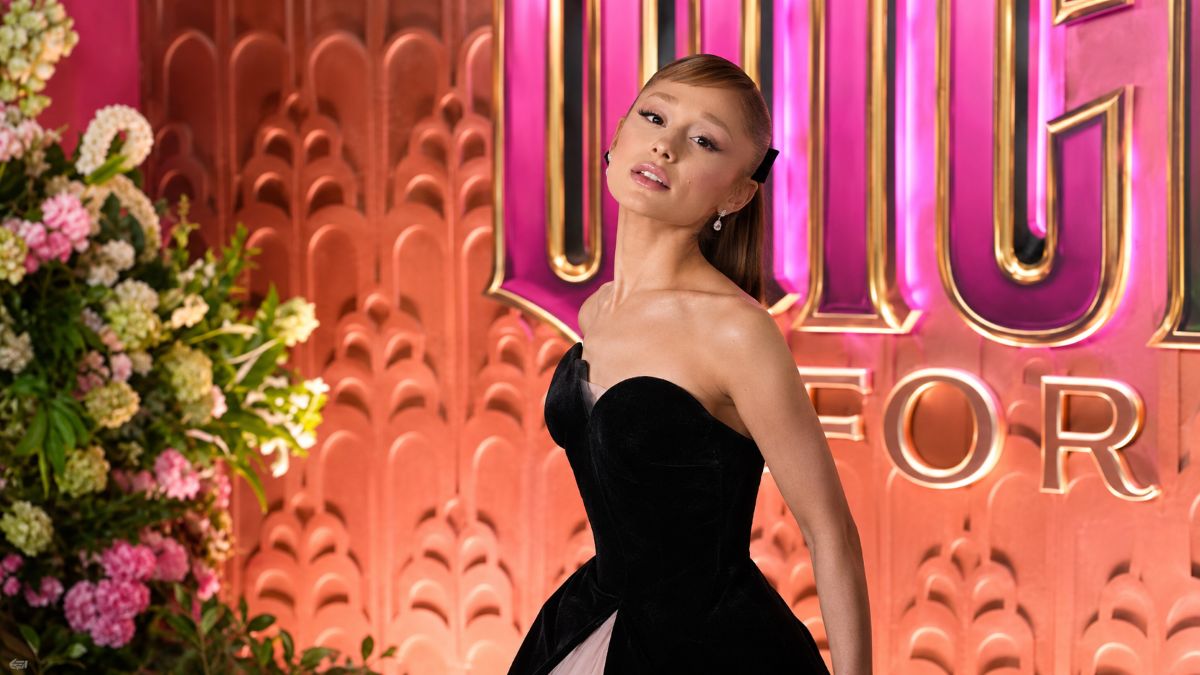
Ariana Grande is back in the spotlight with a new movie and a familiar kind of Hollywood assignment: meeting the parents. The singer and actress joined Ben Stiller and Robert De Niro on the New York premiere carpet for Focker-In-Law, the fourth installment in the Meet the Parents comedy franchise, as Universal prepares the film for its November 25 theatrical release. For Grande, the project represents another major screen appearance after the Wicked films and an opportunity to explore a form of comedy built around awkward family relationships rather than musical spectacle.
The new chapter is directed by John Hamburg, whose work on the earlier films gives the production a direct creative connection to the series. Stiller and De Niro reprise the world audiences know, while Grande plays Olivia, the romantic partner entering a household where approval has never been easy to secure. Skyler Gisondo is part of the younger generation at the center of the story, alongside returning performers including Owen Wilson, Blythe Danner and Teri Polo. The family dynamics are familiar, but the introduction of younger characters gives the franchise space to find a new comic rhythm.
The timing of the promotion has put Grande in a different public setting from the one that defined her recent musical era. She joined her co-stars on The Tonight Show Starring Jimmy Fallon in early November, and entertainment coverage around the appearance focused on the unusual combination of performers: a global pop star, an established comedic leading man and an actor closely associated with some of American cinema's defining dramatic performances. That contrast is precisely the sort of ensemble the franchise has long used to turn an ordinary domestic occasion into a succession of uncomfortable encounters.
Grande's casting has attracted attention because her celebrity identity is unusually broad. She built a massive musical audience while also developing screen experience that reached a different level of visibility with Wicked. Acting in an established comedy is not the same assignment as carrying musical sequences inside a fantasy production. The dialogue must move quickly, reactions are often as important as lines, and the character has to remain believable while the surrounding situations become increasingly absurd. The change of genre gives audiences an opportunity to see how she operates in a less stylized environment.
There is also a larger franchise question. The first Meet the Parents film arrived in 2000, followed by Meet the Fockers in 2004 and Little Fockers in 2010. Reviving a comedy property after such a long interval can invite affection from viewers who remember the earlier installments, but nostalgia cannot guarantee that old jokes will translate to a new audience. A successful continuation needs to preserve the emotional engine that made the originals work while acknowledging that family expectations, generational assumptions and everyday social pressures have shifted.
The core premise remains unusually durable. Introducing a partner to relatives is a situation understood across cultures and generations, and the possibility of saying the wrong thing at exactly the wrong moment offers almost limitless comic possibilities. In this franchise, that tension has traditionally been intensified by a family member determined to investigate, test or challenge the outsider. Grande's character enters a setting where being judged is part of the experience. How the screenplay gives her agency, rather than using her simply as the person at whom others react, will be an important part of the film's effectiveness.
The premiere also illustrates how studios market a legacy comedy in the present entertainment environment. A red-carpet launch, late-night television appearance and online trailers can reach separate groups of viewers, from longtime franchise fans to people primarily interested in Grande. The film's Thanksgiving-week opening is designed for a season when audiences may be particularly receptive to stories about family, even when the fictional families are much more chaotic than the people watching them. That scheduling decision is an observable part of the release strategy, not proof of how the movie will perform.
Universal's official material identifies Hamburg as director and screenwriter, with a story credited to Hamburg, Ilana Glazer and Austen Earl. The production team includes figures who helped establish the franchise, a continuity that could reassure viewers who want the humor to remain recognizable. Still, the final movie must find its own pace. A sequel's pedigree explains why it gets made, but its performances and writing determine whether it becomes memorable in its own right.
Grande has been candid in recent appearances about the surreal quality of joining a film series she knew before becoming part of its cast. That kind of generational transition is one of the more intriguing things about Focker-In-Law. An artist who grew up as part of the audience is now helping introduce the property to viewers who may be encountering it for the first time. The new relationship between the characters reflects that transfer in the story itself.
For now, the main facts are clear: Grande is among the leads, Stiller and De Niro are returning, Hamburg directs, and the theatrical opening is set for November 25. The marketing has begun, but the finished comedy still has to prove that the Focker family has something new to say. Whether it becomes a holiday favorite or simply a nostalgic reunion, this is a significant milestone in Grande's expanding film career.
Join the Conversation
Share your perspective. Please keep the discussion respectful and relevant.