
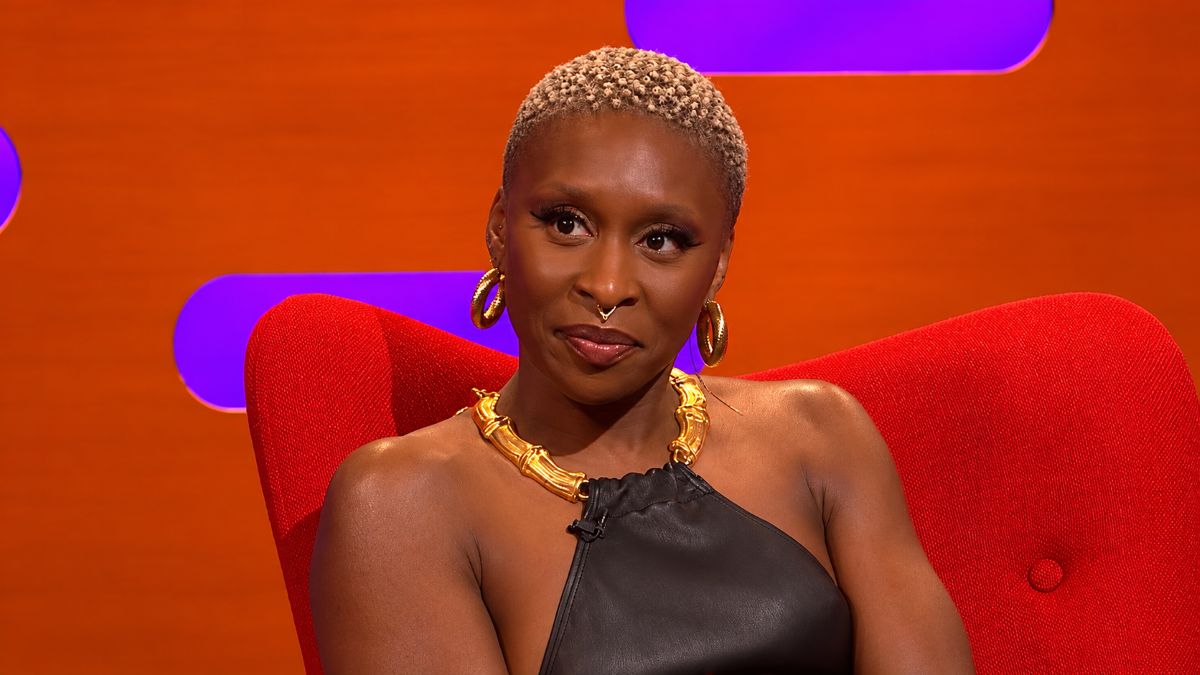
Cynthia Erivo is preparing to portray Afeni Shakur in Snoop, Universal Pictures' forthcoming biographical film centered on Snoop Dogg. The casting announcement places the acclaimed singer and actress in the role of Tupac Shakur's mother, a figure whose own political history and work extended well beyond her relationship to the rapper. It also brings another prominent performer into an ensemble designed to depict the careers and relationships surrounding some of hip-hop's most recognizable names.
Universal's project is being directed by Craig Brewer, with Jonathan Daviss cast as Snoop Dogg and other roles announced for performers including Myles Bullock as Dr. Dre, Lauren London as Beverly Tate and Camron Jones as Tupac Shakur. Brewer is working from a screenplay connected to an earlier draft by Joe Robert Cole, and the producers include Brian Grazer and Snoop Dogg. The studio has announced an August 6, 2027 theatrical date, which gives the film a clear position in the next year's release calendar even as many creative details remain to be seen.
Erivo's character is particularly significant because Afeni Shakur was not simply a parent on the margins of a famous musical story. She was politically active in the Black Panther Party and became closely associated with the preservation of Tupac's legacy after his death. A film that includes her can potentially offer context about the ideas, pressures and family experiences that shaped the environment in which Tupac grew up. How much of that context the finished script explores has not been disclosed, and an announcement about casting should not be mistaken for a promise about the film's ultimate scope.
Biographical dramas face a challenge when they cover artists whose public lives overlap with broader social and cultural history. An audience may arrive expecting familiar songs, recognizable clothing and recreations of memorable performances. Those details can establish the setting, but they are not substitutes for showing why relationships mattered or how artists were affected by the world around them. A portrait of Snoop Dogg that includes Afeni Shakur and Tupac has an opportunity to place musical careers inside networks of family, friendship, rivalry and shared cultural experience.
The role also fits a pattern in Erivo's work. She has demonstrated an ability to move between musical performance and emotionally demanding dramatic material, using her voice and physical presence as part of a broader acting approach. Her appearance as Elphaba in the Wicked films introduced that combination to an especially wide audience. Portraying a real historical figure poses a different responsibility: the performer must create a coherent screen character while remaining alert to a life that existed outside the screenplay and to people who remember the individual being portrayed.
That responsibility becomes especially important in stories touching on political organizing, racial justice and the history of popular music. The personal experiences of people associated with major cultural movements can be reduced too easily to a few symbolic scenes. Strong filmmaking requires the patience to show contradictions, individual decisions and the practical consequences of beliefs. Erivo's casting makes such questions more interesting, but only the finished film will reveal whether the writing gives Afeni enough substance to be understood on her own terms.
There is another near-term spotlight on Erivo's calendar. Lincoln Center announced that she will headline its annual performing arts benefit concert at David Geffen Hall on November 16, an event supporting access to arts programming. The performance arrives just days after the casting news and illustrates how active her career remains across live performance and screen work. A concert and a biographical film are different artistic assignments, yet together they show the breadth of the performer Universal has chosen for the role.
The Snoop film is also an example of how music biographies continue to evolve. Earlier movies in the genre often focused closely on a performer's rise, recording career and personal crises. More recent projects have faced growing questions about whose perspectives are included, how historical controversies are treated and whether supporting figures receive their own identities. In a story involving Snoop Dogg, Dr. Dre and Tupac, those considerations are unavoidable because the subject is not merely the success of one artist but an era of American popular culture.
The project has a visible industry structure as well. It is associated with Death Row Pictures' arrangement with NBCUniversal, aligning a studio release with a company connected to the artist at the center of the story. That partnership may give the filmmakers access to particular relationships and creative resources, though it does not automatically settle questions of editorial independence or historical interpretation. Viewers will still judge the film by what it shows, what it leaves out and whether its characters emerge as more than familiar names.
For now, the casting confirmation is substantial news. Erivo will play Afeni Shakur, Daviss leads as Snoop Dogg, Brewer directs and Universal has identified an August 2027 theatrical target. The exact scenes involving Afeni, the nature of the film's central conflict and the balance between music and biography remain undisclosed. Those are reasons for curiosity rather than speculation. Erivo's addition makes Snoop a production worth watching, especially for audiences interested in how Hollywood tells the interconnected histories of artists and the people who shaped their lives.



Join the Conversation
Share your perspective. Please keep the discussion respectful and relevant.